Facebook Login
X
E-mail
Password
Remember me
X
Name
E-mail
Confirm E-mail
Password
Confirm Password
Remember me
Free Clip Art
You Can Use
For Anything You Like.
Free Clipart
More Clip Art
animal
black
blue
brown
button
cartoon
clipart
color
diethealthsupplements
flower
forrst
girl
glitch
green
grey
icon
logo
lptp
man
map
mushroom
new
orange
outline
people
pink
purple
red
sign
symbol
tiger
tree
twitter
white
yellow
Free Pictures
More Pictures
animated
art
black
blue
business
button
cartoon
clipart
cloud
color
design
draw
dsc
edit
flag
flower
girl
green
icons
images
img
logo
man
new
pakistan
people
photo
pink
red
sea
ship
tattoo
tree
tumblr
wallpaper
Newest Clipart
More Clip Art
Mari Racha Coco
by a2c3b9a815
Axe
by risko skrabak
Axe
by risko skrabak
Globe
by gypson
Logo Graau
by gypson
Newest Pictures
More Pictures
Bioaqua Pink Magic Cream Price I...
by tahseen
Vimax Pills In Pakistan
by mytelemaet
Shape Up Cream
by mytelemaet
Exipure Capsules In Pakistan
by m salman
Viga Spray In Pakistan
by tahseen
Most Popular Clipart
More Clipart
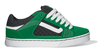
Vans Repeater Skate Shoe Green
by Sarah Morgan
Flowers Icon
by Icon Empire
Paper Airplane Icon
by Aha-Soft
Bow Icon
by SibCode
Fish Skeleton Icon
by Icon Empire
Make Your Own With Clker
Clipart For:
Religion
Office
Family
Friendship
Love
Teaching
Architecture
Art
Filmmaking
Gardening
Math
Science
Green
Cyclists
Latest Activity:
roola
🟢 you got 15 569 usd. gЕТ => https://forms.yandex.com/cloud/65c5cc632530c245f0b4aa23/?hs=91ff350740c356007516a4f9b0cbc19f& 🟢
fabiel jorge
steve reazor
yjun
yjun
yjun
Advertise on clker
Report a bug
Request a feature
tag
FAQ
Terms of Use & Disclaimer
Privacy
DMCA notices
Affiliate Ads & Sponsored Results
Clker.com is owned by Rolera LLC, 2270 Route 30, Oswego, IL 60543 support\at\clker\dot\com





.thumb.png)
.thumb.png)